Parkinsons disease
General Characteristics
Parkinson's Disease (PD) is a disorder of the nervous system that results in the person having slow movements, involuntary tremors and shaking and a lack of muscular co-ordination, strength and control. It usually occurs in people over 50 and can progress slowly or rapidly depending on the individual.
In Parkinson's disease groups of nerve cells located deep in the brain that are responsible for making the neurotransmitter dopamine die off, leaving a state of low dopamine levels. Dopamine is a neurotransmitter associated with emotions such as pleasure, happiness, success and reward as well as the physical movement and control of skeletal muscles. This results in reduced voluntary movement, the occurrence of involuntary movements and a loss of muscle tone. The condition is degenerative but the intensity of progression varies in each individual.
The sufferer of Parkinson's can have symptoms such as the spine bending forward, a shuffling movement when walking, stiff and rigid muscles, loss of muscular control, inability to control the speed of walking, quiet voice, tremors and shakes, loss of emotional expression, greasy skin, inability to blink, drooling, loss of reflexes and uncontrollable salivation due to swallowing difficulties. A general loss of control over the autonomic nervous system can result in urinary and bowel issues ranging from retention to incontinence.
Possible causes of Parkinson's include heavy metal poisoning (manganese), chemical exposure (agricultural chemicals, in particular pesticides containing glyphosate such as 'roundup'), head injury, post encephalitis (brain inflammation following an infection for instance), prescribed drugs (used in Alzheimers and schizophrenia) and genetic predisposition but in a large number of cases the cause is unknown. Natural healers also note a tendency towards chronic constipation (bowel movements every 3 days for example) in Parkinson's sufferers as well as low parathyroid gland activity and poor nutrition such as folic acid and B12 deficiency as well as damage to nerve cells caused by free radicals.
Healing objectives are to improve nutrition to the brain and nervous system using nutritious foods and herbs, stress reduction techniques and to improve the function of the bowel and other eliminatory organs such as the liver.
Diet and Lifestyle
Adopt a whole food diet based around fresh fruit, vegetables, wholegrains, nuts, seeds and culinary herbs and spices to ensure good nutrition. Avoid processed foods and refined carbohydrates and sugary foods wherever possible.
Drinking daily green tea can benefit many PD symptoms.
Include plenty of Turmeric in your cooking and/or drinks.
Broad beans (Vicia Faba) contain a substance called levodopa. Read about them on this webpage.
Eating beetroot daily or drinking fresh juice may help alleviate many symptoms of PD.
Some people find improvements by adopting a low protein diet (especially lowering intake of meats) and by increasing their intake of fats in their natural unprocessed state such as through eating seeds, nuts and oily fish.
Eat plenty of foods rich in anti-oxidants such as berry fruits, edible quince and all fresh vegetables. These reduce the harmful effects of free radicals and can delay nerve deterioration and subsequent dopamine loss. Anti-oxidant nutrients include selenium, vitamins E, C and A and Co enzyme Q-10.
Folic acid and vitamins B12 and B6 are known to help prevent damage caused by free radicals so include plenty of foods containing them in your diet. Good sources include whole grains, sprouted seeds, beans and grains, leafy vegetables, organic eggs. Fresh salmon (B12) and spinach (folic acid) eaten together provide good amounts of both nutrients.
Be sure to get enough plant based fibre by eating apples daily and some raw foods in the form of salads. This will improve the bowel function and reduce the likelihood of constipation.
A tablespoon daily of fresh organic, cold pressed edible coconut oil may help to reduce symptoms and will provide an excellent source of nutritious fats and oils.
Do not drink alcohol.
Useful Herbs
Choose herbs and foods that are rich in anti-oxidants and have neuro-protective effects. Many of these are known to be natural Monoamine oxidise inhibitors (often used to treat depression).
Black seed oil (Nigella sativa) shows promise for alleviating PD.
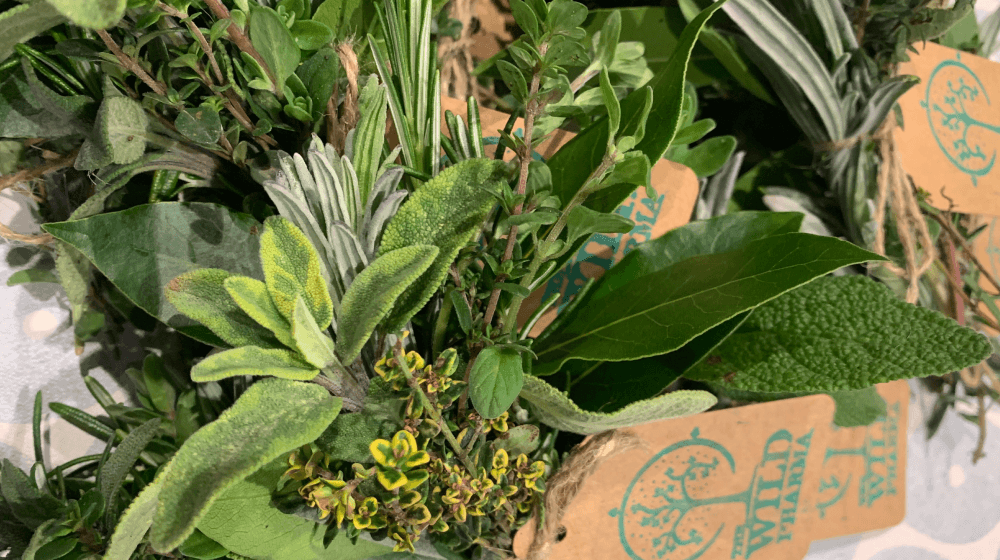
Pau d'arco, ginkgo, gotu kola, Baikal skullcap, ashwagandha, sage, rosemary, burdock root, tulsi/holy basil, sweet flag and shatavari have all shown to be useful in the treatment of Parkinson's. Best prescribed from an experienced herbalist but you can use any of the above in tea or tincture form as part of a formula.
Herbs such as black cohosh, cramp bark, passion flower, motherwort and valerian can be used to help reduce the intensity and incidences of the tremors and muscle spasms. Use equal parts of the tinctures and take a teaspoon in water 3 times daily.
Reishi mushroom, ashwagandha root and turmeric are both useful in the treatment of Parkinson's. A useful way of taking them is in powdered capsule form.
A herb called Mucuna pruriens (a type of bean) contains the substance levodopa and has shown good results for some people.
Echinacea may offer protection against nerve damage.
Oatstraw and nettle tea would make a nourishing and soothing daily drink. Add yarrow to this too for a calming but tonic action on the nervous system.
Meadowsweet shows great promise for its neuroprotective effects.
Natural Healing
Many people with Parkinson's find that symptoms are managed more effectively when regularly exercising with the help of a trained physical therapist.
Green Med Info has a great search facility - here is a link to the search results for PD, links to 100's of useful ideas on plants, foods and natural healing techniques.
The gut microbiome is seeming more and more important to health generally but particularly in neurodegenerative disorders like Parkinson's. Great article here
Have a look at this inspirational and informative website written by a man who is now free of all symptoms after being diagnosed with Parkinson's several years ago.
A really useful and informative site written by a woman whose husband was diagnosed aged 44 can be found here
A list of researched plants that help in PD can be found here
A search page result from mybiohack.com lists a host of Parkinson's related articles and papers
Relaxation techniques such as meditation and Tai Chi and Qi Gong have helped many sufferers regain more control over their balance and co-ordination, even if temporary.